
Key Highlights:
- Karnataka may introduce lifetime road tax on EVs priced below Rs 25 lakh
- Proposed tax rates are 5 percent for EVs under Rs 10 lakh and 8 percent for those priced between Rs 10 lakh and Rs 25 lakh
- Electric two-wheelers will remain exempt under the revised policy
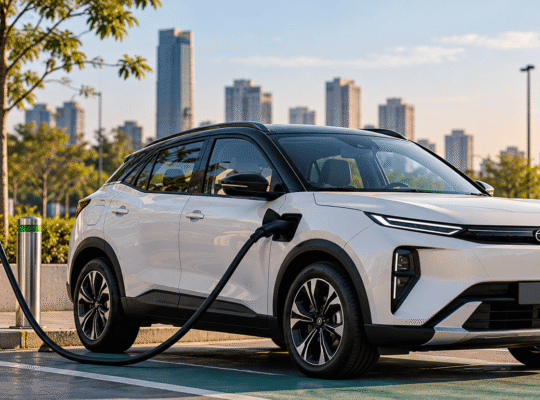
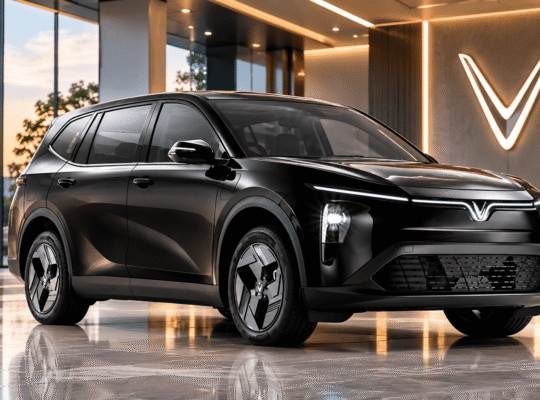
Karnataka is planning to reintroduce lifetime road tax on electric vehicles sold in the state. The government has passed a bill to amend the Karnataka Motor Vehicles Taxation Act, potentially bringing electric cars priced below Rs 25 lakh under the tax system for the first time.
Until now, electric vehicles in Karnataka have enjoyed road tax exemptions in most price segments. However, the state introduced a 10 percent lifetime tax in March 2024 for new EVs priced above Rs 25 lakh. The latest proposal could extend taxation to more affordable electric cars, marking a shift in the state’s approach to EV ownership.
Karnataka’s Revised EV Taxation Policy
Proposed tax rates of 5 percent and 8 percent
Under the revised taxation policy introduced in March 2026, electric vehicles could be taxed according to their ex-showroom prices. The proposed changes cover private and commercial electric vehicles, while electric two-wheelers are excluded.
The proposed lifetime tax structure is as follows:
- EVs priced below Rs 10 lakh: 5 percent lifetime tax
- EVs priced above Rs 10 lakh but below Rs 25 lakh: 8 percent lifetime tax
- EVs priced above Rs 25 lakh: Existing 10 percent lifetime tax
Karnataka had previously removed road tax on electric vehicles in 2017 to encourage EV adoption. The exemption was partially withdrawn in March 2024 when the government introduced a 10 percent lifetime tax on electric vehicles costing more than Rs 25 lakh.
If the latest changes take effect, buyers of more affordable electric cars will also have to account for road tax when calculating their total purchase cost. Electric two-wheelers, however, will continue to remain outside the proposed tax structure.
How Other States Tax Electric Vehicles
Delhi and Maharashtra continue to offer EV incentives
Electric vehicle taxation policies differ across India, as there is no uniform road tax structure applicable to EVs nationwide. While Karnataka is considering expanding taxation, states such as Delhi and Maharashtra continue to support electric vehicle adoption through incentives and exemptions.
According to a Delhi government circular issued on March 11, 2026, new electric vehicles priced below Rs 30 lakh (ex-showroom) are eligible for complete exemptions from road tax and registration fees. Strong-hybrid vehicles also receive a 50 percent exemption on these charges.
Delhi’s current EV taxation policy is scheduled to remain in effect until March 31, 2030. The capital is also planning to prohibit the sale of new combustion-engine two-wheelers from 2028, with electric alternatives intended to take their place.
Maharashtra’s EV policy also extends until March 2030. The state aims to ensure that electric vehicles account for 30 percent of all new vehicle registrations by that year. To encourage adoption, it offers upfront purchase incentives ranging from Rs 10,000 to Rs 1.5 lakh for electric two-wheelers and private cars.
What This Means for EV Buyers
The proposed changes could make electric car ownership more expensive in Karnataka, particularly for buyers considering models priced below Rs 25 lakh that were previously exempt from road tax.
In contrast, Delhi and Maharashtra continue to offer financial benefits intended to encourage the shift towards electric mobility. These differences highlight how the cost of buying an EV can vary significantly depending on the state in which it is registered.
For prospective buyers in Karnataka, the final impact will depend on the implementation of the amended taxation rules and the applicable rates at the time of vehicle registration.