The global automotive industry is facing fresh challenges as rising fuel prices, inflation and growing competition reshape the market. While high petrol prices have increased interest in electric vehicles, established automakers are also reviewing their product lineups and strategies to protect profitability.
In its latest restructuring move, Nissan plans to reduce its global model lineup from 56 vehicles to 45. Meanwhile, Tesla is reportedly exploring a more affordable electric SUV, and Stellantis is in talks with China’s Leapmotor to develop an Opel-branded electric vehicle.
Other key developments include declining sales for German automakers in China, new investments in electric vehicle startups and changes in production and wage policies across several markets.
Key Highlights
- Nissan plans to reduce its global lineup from 56 models to 45.
- Tesla is discussing plans for a smaller, more affordable electric SUV with suppliers.
- Dutch regulators have approved Tesla’s Full Self-Driving driver-assistance software for use with human supervision.
- Stellantis is reportedly discussing an Opel electric SUV using Leapmotor technology.
- German automakers continue to face falling sales in China.
- Slate Auto has raised $650 million as it prepares to deliver its first vehicles.
Nissan Plans to Cut Its Global Model Lineup
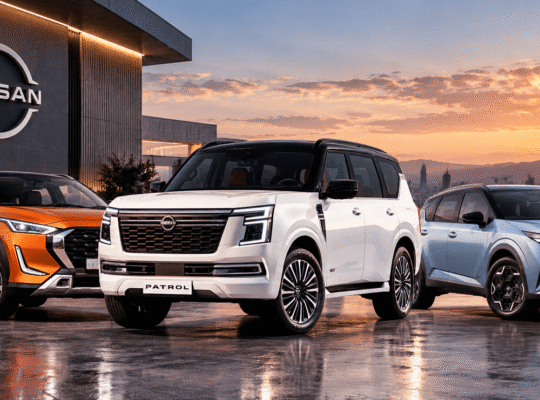
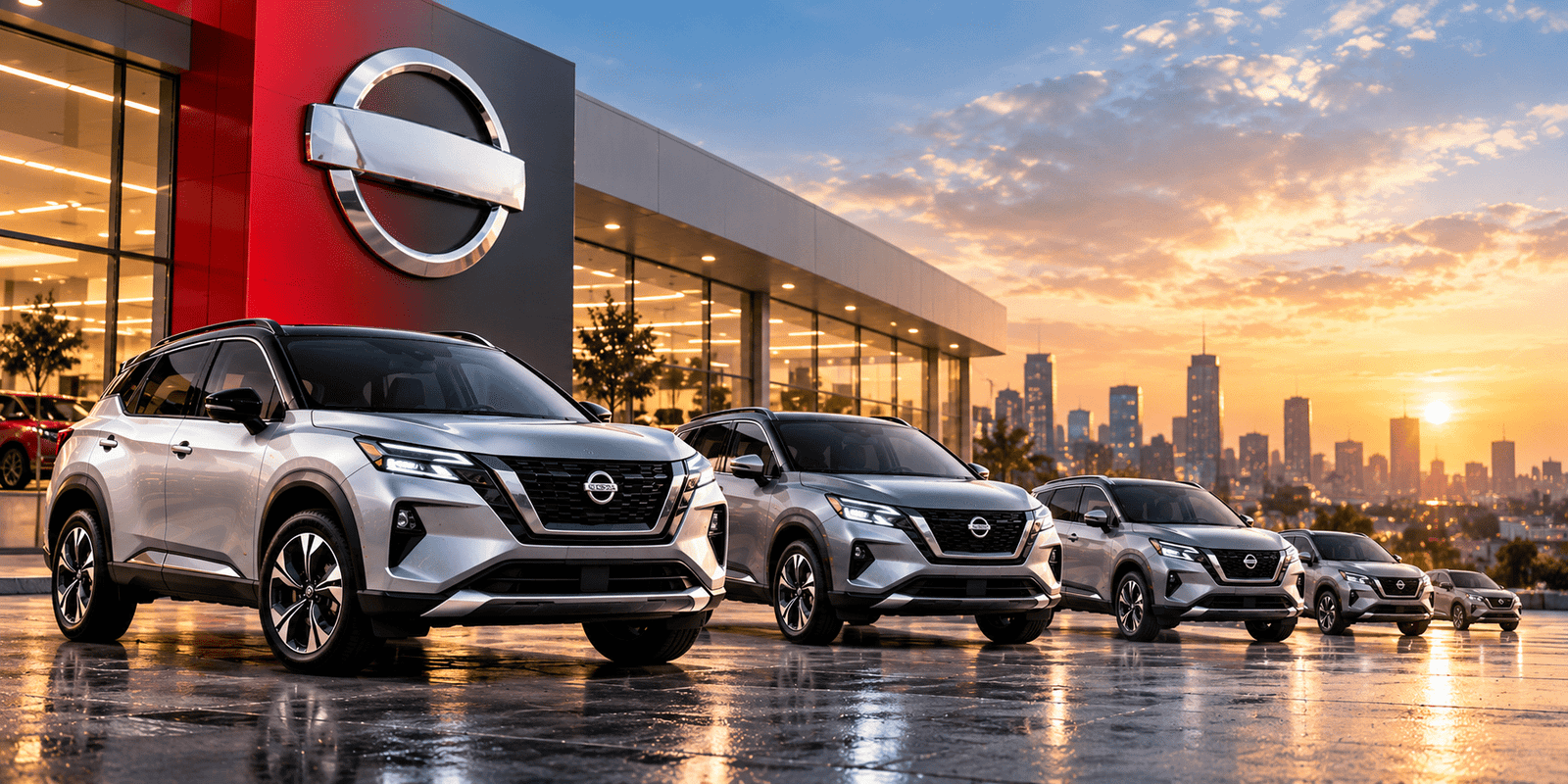
Nissan is continuing its restructuring efforts by reducing its global vehicle lineup from 56 models to 45. The move is part of a broader strategy to improve profitability and make its business more efficient.
Since Ivan Espinosa became CEO last year, the Japanese automaker has announced plans to close factories and reduce its workforce by 15%.
According to Espinosa, the decision to cut models is intended to establish a leaner and stronger product portfolio focused on profitability. However, the move also reflects the challenges Nissan faces in an increasingly competitive automotive market.
Car manufacturing depends heavily on scale, and established automakers such as Nissan are facing growing pressure from Chinese competitors. With numerous brands competing in China, some are expected to struggle to survive over the coming decade.
As automakers lose market share, low-volume models and less profitable brands are increasingly at risk. Companies are likely to concentrate on vehicles that sell well and deliver stronger margins.
Nissan’s decision reflects this shift, and other manufacturers may also review their lineups as the global automotive industry moves towards further consolidation.
Tesla May Be Revisiting Its Affordable EV Plans
Tesla abandoned its affordable electric vehicle project in 2024 as it shifted its focus towards robotaxis and humanoid robots. However, the company may now be reconsidering its approach to lower-priced vehicles.
According to a Reuters report, Tesla has been holding discussions with suppliers about developing a smaller, more affordable electric SUV.
The potential model could help Tesla increase sales to individual customers while also serving as a vehicle for its robotaxi plans. Continued sales of conventional electric cars could also provide the cash flow needed to support the company’s transition towards autonomous mobility and robotics.
Tesla has also received a regulatory boost in Europe. Dutch vehicle authority RDW has approved its Full Self-Driving (FSD) driver-assistance software, provided that drivers remain responsible and supervise the system on highways and city streets.
The approval marks a first for Tesla in Europe. RDW has also informed the European Commission of its intention to seek approval across the European Union.
Tesla charges €99 per month for its FSD subscription. If more existing Tesla owners subscribe, the service could become a significant source of recurring revenue for the company.
Stellantis Could Use Leapmotor Technology for an Opel Electric SUV
Stellantis has held a stake in Chinese electric vehicle manufacturer Leapmotor since 2023. One of the major questions surrounding the partnership has been whether Stellantis would use Leapmotor’s technology to develop vehicles under its own brands.
According to Reuters, discussions are now focused on a potential Opel-branded electric SUV.
Sources cited in the report said the vehicle would use Leapmotor technology and be manufactured at Stellantis’ Zaragoza plant in Spain.
Automakers have already been working with Chinese partners to develop vehicles for the Chinese market, while some companies have also begun bringing Chinese-made models to Europe.
However, manufacturing a vehicle in Europe for European customers while relying on Chinese EV technology would represent a further step in this approach.
If the discussions lead to an agreement, the project could demonstrate how traditional automakers are using partnerships to strengthen their electric vehicle offerings.
German Automakers Face Further Sales Declines in China
German carmakers continue to face pressure in China, the world’s largest automotive market, as domestic manufacturers gain ground. Sales declines continued during the first quarter of 2026.
Volkswagen Group reported a 15% drop in sales in China. Its premium brands also recorded declines, with Porsche deliveries falling by 21% and Audi sales decreasing by 12%.
Mercedes-Benz reported a 27% decline in China sales as it works to overhaul its model lineup in the market. BMW also experienced a 10% drop in sales in China.
China has historically accounted for around one-third of German automakers’ sales, making the market particularly important to their global businesses.
The continued decline highlights the pressure these manufacturers face as they attempt to regain ground against increasingly competitive Chinese brands.
Fast Laps: Other Important Automotive Developments
Slate Auto Raises $650 Million
Electric vehicle startup Slate Auto has raised $650 million in a Series C funding round. Backed by Jeff Bezos, the company is preparing to deliver its first vehicles towards the end of 2026.
Chery Explores More Production Opportunities in Europe
Chinese automaker Chery is looking to expand vehicle production in Europe through partnerships with other manufacturers. The proposed approach would allow Chery to use existing factories rather than relying entirely on new production facilities. Company executives discussed the plans at an event in Paris.
Haryana Increases Minimum Wages by 35%
Haryana, one of India’s major automotive manufacturing hubs, has ordered a 35% increase in minimum wages. The decision followed factory workers’ work boycotts and protests over rising living costs linked to the U.S.-Israeli war on Iran.
Volkswagen to Halt ID.4 Production in Tennessee
Volkswagen plans to stop producing its ID.4 electric SUV at its Tennessee plant in April 2026. The decision comes during a challenging period for the U.S. electric vehicle market.
Geely Launches Its i-HEV Intelligent Hybrid System
China’s Geely Auto has introduced its i-HEV Intelligent Hybrid system. The company aims to challenge Japanese automakers’ established position in the conventional hybrid segment by improving fuel efficiency and intelligent vehicle capabilities.
Traton Reports Lower First-Quarter Sales
German commercial vehicle manufacturer Traton reported a 6% decline in vehicle sales during the first quarter of 2026. The decrease was driven in part by a 21% fall in sales for its U.S.-based International brand.
Conclusion
The latest developments highlight the growing pressure on established automakers to adapt to changing market conditions. Nissan is streamlining its lineup to improve profitability, Tesla may be returning to the affordable EV segment, and Stellantis is exploring ways to use Chinese electric vehicle technology in its own products.
At the same time, falling sales in China are forcing German manufacturers to reconsider their strategies, while companies such as Chery, Geely and Slate Auto continue to pursue new opportunities.
With fuel prices, competition and consumer demand shaping the industry, automakers will need to balance cost control, innovation and product strategy to remain competitive.