

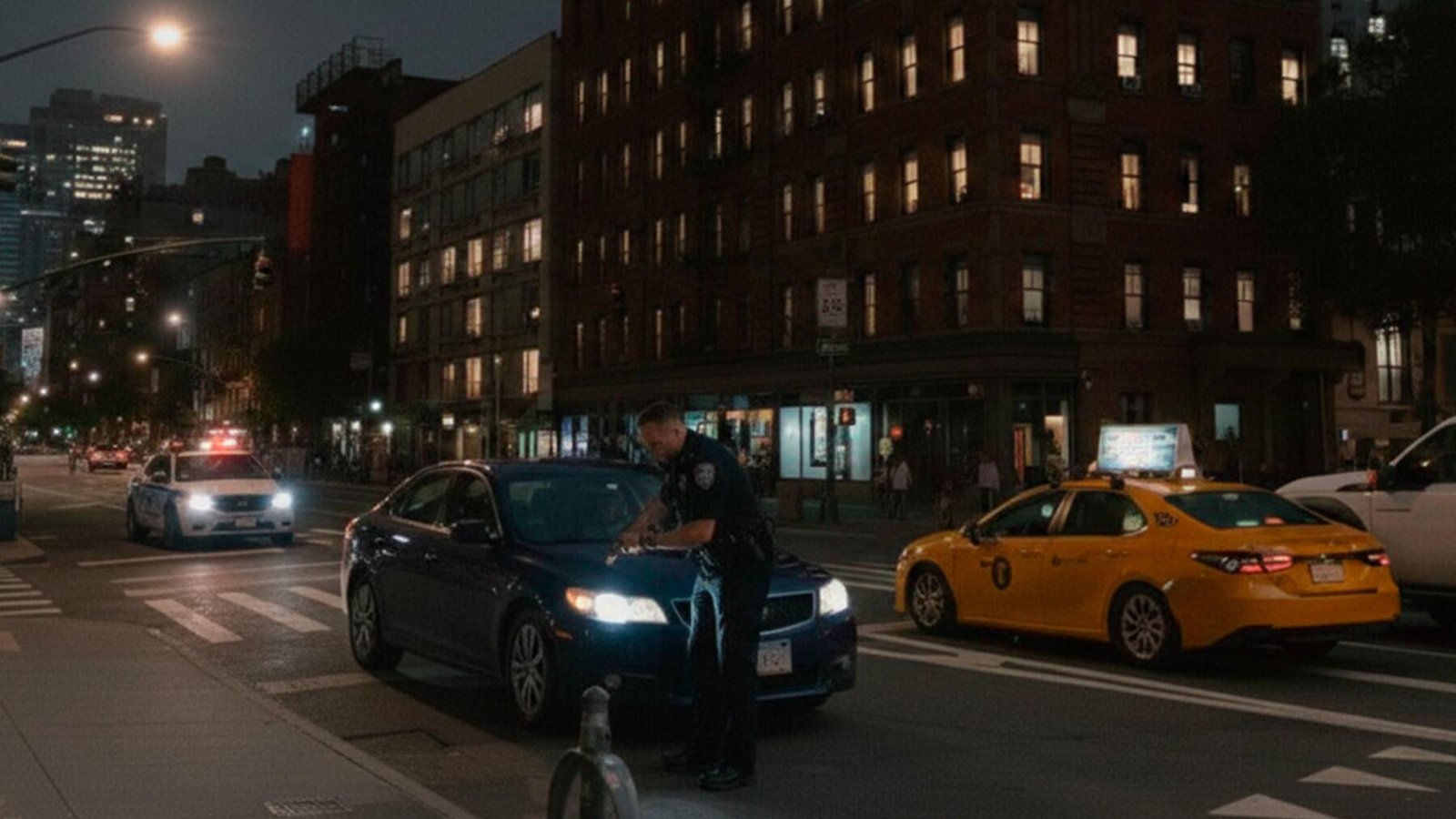
New York drivers are warned about this new law going into effect this month. The start of the new year has meant that multiple new driving laws have gone into effect as authorities attempt to make the roads a safer place and demonstrate that they will take a zero-tolerance approach to anyone who violates these laws. These new laws include harsher penalties and convictions for drivers, such as higher fines, increased severity of conviction classification, and even the risk of jail time.
New driving laws go into effect this year
Multiple states across the country have seen multiple new laws go into effect from the start of the new year. In California, for example, 13 new pieces of legislation went into effect from January 1, with these new laws ranging from updates to driving practices, new parameters regarding vehicle sales, digital licenses, and new laws regarding equitable penalties.
On top of this, California joins other states that are continuing to expand their automated camera programs. 75 new speed cameras are set to be installed in highway construction zones statewide, with drivers facing fines as high as $500 should they be caught speeding through these zones. Other new fines going into effect this year include $1,000 fines for those who are convicted of manufacturing devices that intentionally obscure or hide license plate numbers from authorities, as well as being classified as an infraction.
Other laws include the approval for the state to begin lowering the speed limit from 25mph to 20mph to make these locations safer for school children, who can be considered vulnerable road users. Drivers will also now have to “slow down and move over,” whereby drivers must now slow down and move over for any stationary vehicle on the side of the road, including highway maintenance vehicles and vehicles with hazard lights and other warning devices.
New York drivers will now receive one point for this
Drivers who travel with faulty taillights or headlights will no longer be given an opportunity to fix them by police, but will immediately be hit with points on their license. Officials have approved the new rules that will target violations that previously didn’t warrant any points. Drivers will be slapped with one point for broken lights at either the front or back of their car.
The new rules will be enforced with the help of new technology
Detailed in an official statement from the New York State DMV, the state’s new point system has been implemented since the start of this year, along with new state-of-the-art technology to streamline processes within the DMV.
“Beginning on Friday, February 13 at 2:00 p.m., all DMV offices will close for business, and DMV online transactions and phone services will be unavailable,” describes the New York DMV in a January press release. “This brief interruption will allow for the new system to be implemented and tested to ensure the successful resumption of services.”
Another significant change is that the threshold for license suspension has changed to 11 points within 18 months to 10 points within 24 months. Other changes include four points added to your record if you speed even just one mile per hour over the speed limit.
New technology is available to assist authorities with enforcement
With New York’s DMV implementing new technological advances for its systems, it highlights how new technological milestones continue to assist road traffic authorities in not only processing at the DMV itself, but also out on the road, such as through automated speeding and red-light camera technology.
However, authorities are having to pass laws that regulate these new technological advances out of concern for violating privacy laws and unauthorized surveillance. Washington state lawmakers, for example, recently passed new legislation that provides strict guidelines regarding how Automatic License Plate Reader (ALPR) systems may be used, and by whom they may be used. Previously, the state did not have any regulations for this technology.